Prepare Your Business for Its Next Stage of Growth
Scalability, expansion and sustainable growth require more than ambition. They require an organization ready to move forward.
TRANSIT helps leadership understand the current business position, identify transition priorities and build readiness for the next stage of organizational performance.
Start Your Business AssessmentFrom Current Position to Next-Stage Readiness
Understand where your organization stands today and what needs to change to support its future direction.
Growth Requires Organizational Readiness
Businesses often reach a point where their existing systems, capabilities and ways of working need to evolve.
Scale with Structure
Strengthen systems, processes, roles and execution discipline so the organization can manage a larger scale of operations.
Expand with Alignment
Prepare leadership, people and operating practices to support new markets, locations, customers or business opportunities.
Grow with Direction
Align organizational priorities and execution with the performance and capabilities the next stage demands.
Look Beyond Symptoms
Business problems often appear as isolated issues. But the underlying challenge can be the readiness of the organization itself to operate at its next stage.
More sales may not solve a weak operating system. More technology may not solve poor execution. More people may not solve unclear accountability.
Before deciding what to change, leaders need clarity about the current state and the transition ahead.
- Growth creates complexity faster than systems mature.
- Strategy and execution can move at different speeds.
- Capabilities may not match the organization’s next ambition.
- Expansion can expose weaknesses that were previously hidden.
Current State → Next Stage
The transition is where strategy becomes an organizational reality.
Current State
Understand today’s reality.
Next Stage
Prepare for tomorrow’s requirements.
Ask Better Questions
Before committing resources to another initiative, leadership needs a clear view of the realities shaping the organization and the transition required for its next stage.
Is your organization keeping pace with market reality?
Are your business goals aligned with day-to-day operations?
Do your culture, structure and processes support market leadership?
How do you ensure continuous improvement?
Is your organization ready for its next stage?
Build Readiness
The next stage of business performance requires an organization that is prepared to execute it.
TRANSIT focuses attention on the transition itself, helping leadership move beyond isolated initiatives toward a more execution-ready system.
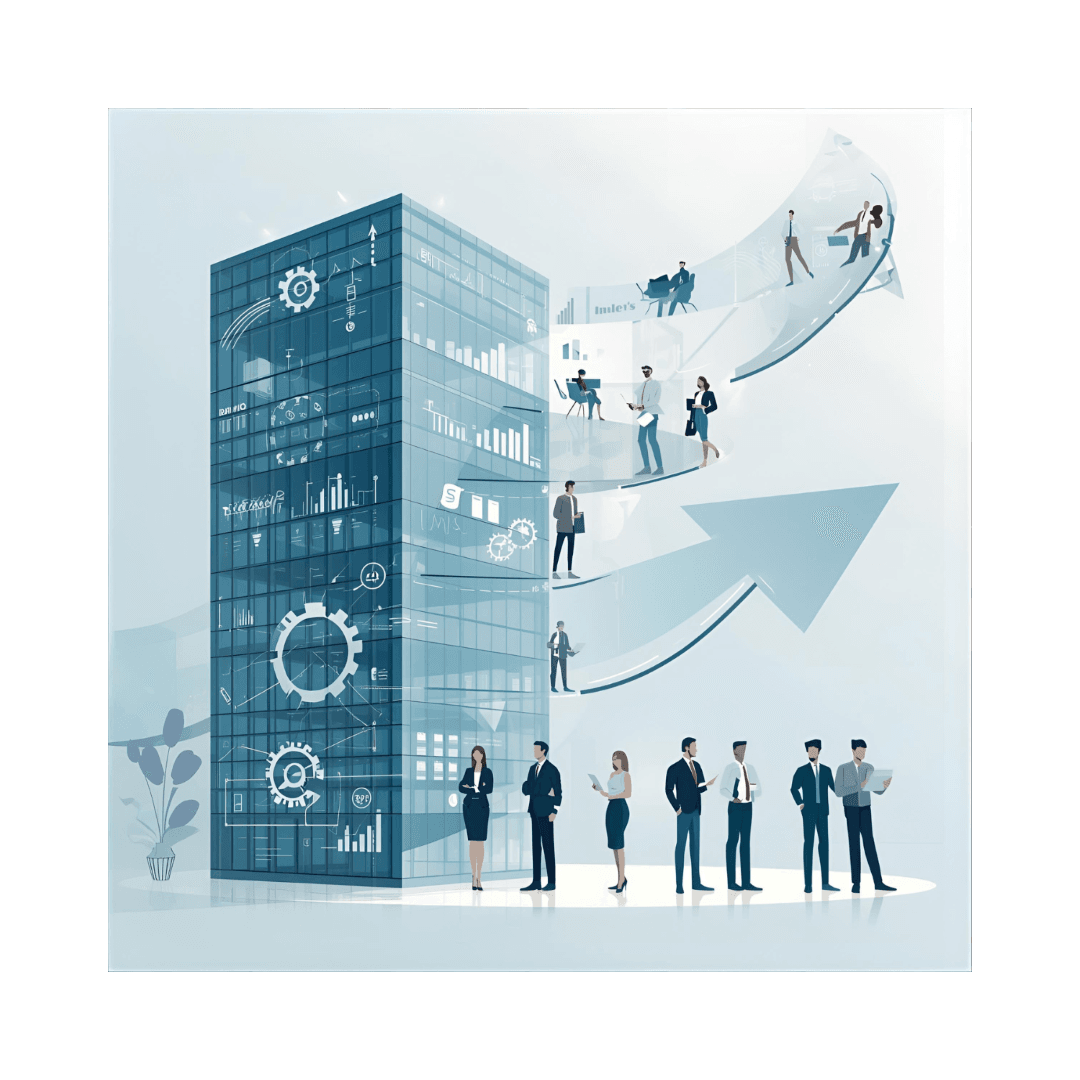
10X Business Growth
Sustainable growth is not only about increasing the size of the business. It is about developing the organizational foundation required to support the next level of performance.
The 10X Business Pyramid represents this idea conceptually: stronger foundations enable stronger systems, capabilities and scale.
Move from Idea to Execution
TRANSIT provides the framework for the transition. CTTO provides the mechanism to move from understanding to execution and continuous improvement.
CONCEPTUALIZE
Define direction and shape the path from the current state toward the desired next stage.
TEST
Validate thinking and priorities before broader implementation.
TRANSFORM
Move from plans to action and enable the required change.
OPTIMIZE
Learn from execution, strengthen what works and continuously improve performance.
Start with Clarity
Every next stage begins with understanding the current one. Start your Primary Business Assessment to explore where your organization stands today and what may be required for its next stage.
Your Next Stage Needs Readiness
Understand your current position, recognize the transition ahead and begin building an execution-ready system.
Start Your Business Assessment