
India’s retail industry is changing. How can businesses keep growing?
Customers have more choices, compare prices more easily and expect better service and convenience. From neighbourhood shops to large retail chains and online sellers, businesses must understand what customers want, offer the right products, manage costs and build a business that can grow without losing control.
Retail is no longer just about opening a shop and selling products.
Retail businesses now compete through product selection, price, convenience, customer relationships, service and availability. A neighbourhood store, a clothing showroom, a supermarket and an online seller may serve different customers, but all need to attract buyers, control expenses and earn a healthy profit.
Traditional and neighbourhood stores
Local shops benefit from personal relationships, convenient locations and customer trust. Better stock availability, suitable product choices, fair pricing and timely service can help them retain customers and compete with larger businesses.
Showrooms and organised retail
Clothing stores, supermarkets, electronics shops and retail chains must give customers good reasons to visit and buy. Product variety, helpful staff, store presentation, stock availability and control over store expenses all affect business performance.
Online and quick-commerce businesses
Marketplaces, brand websites and rapid-delivery apps make shopping more convenient. They can help businesses reach new customers, but sellers must also consider delivery charges, platform commissions, returns, discounts and the actual profit earned on each order.
Customers expect more choice, better value and easier shopping.
Customers often compare products and prices before making a purchase. They may discover a product online, visit a store to see it, and buy wherever the overall offer suits them best. Retailers need to understand these buying habits instead of relying only on past sales or assumptions.
- Customers in different locations: Buying habits and spending capacity vary by city, town, neighbourhood and customer group. Products that sell well in one location may not sell equally well in another.
- Easy price comparison: Customers can compare prices across stores and websites. Retailers need to explain why their products, quality, service or convenience are worth choosing.
- Faster shopping: Online ordering and quick delivery have increased expectations about product availability, delivery time and ease of purchase.
- Online and offline shopping: Customers may use both physical stores and digital channels. Businesses need to decide which channels suit their products and customers.
- Changing product preferences: Fashion, lifestyle, food, personal care and other categories can be affected by seasons, trends, festivals and changing customer needs.
- Trust and service: Honest product information, helpful staff, clear return policies and dependable after-sales service can encourage customers to return.
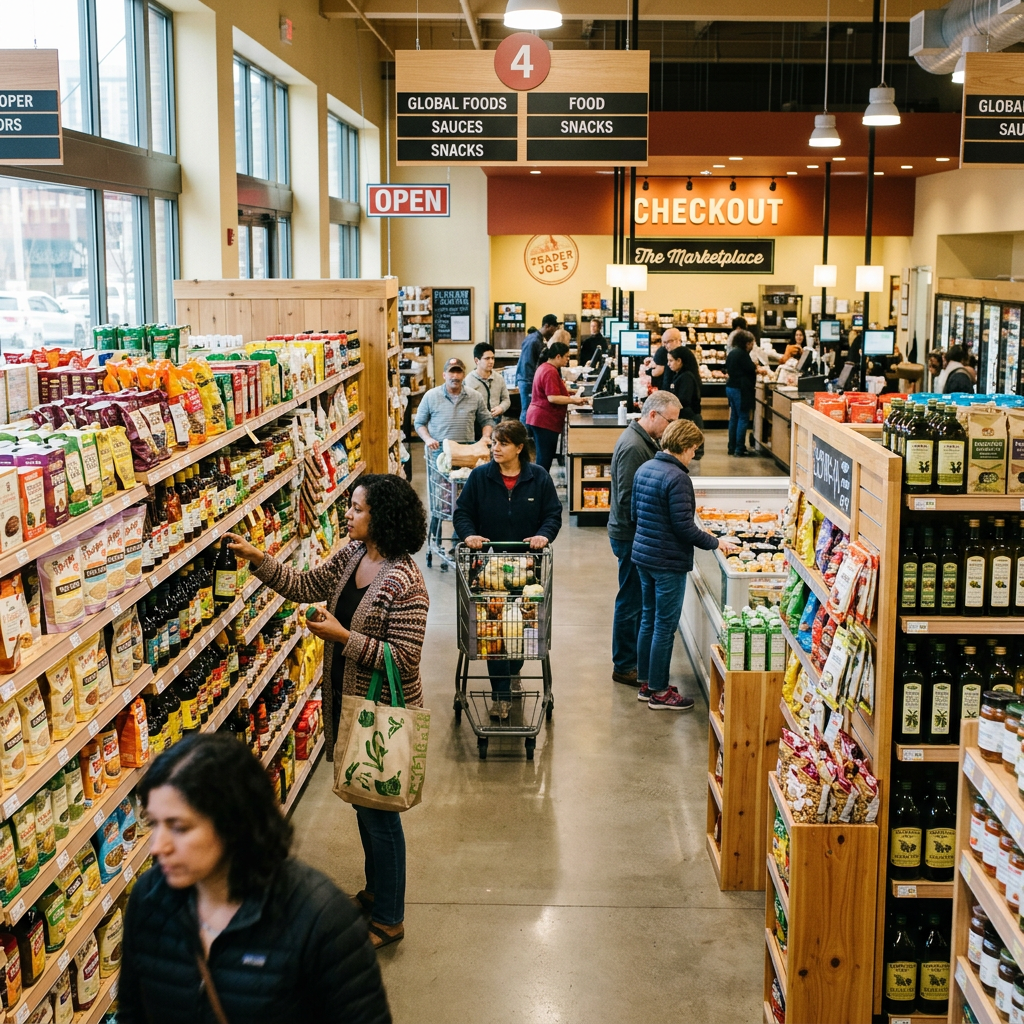
Every retail category has different problems to solve.
Retailers need to understand the special demands of their product category. The right buying decisions, stock levels, service standards and selling methods differ from one type of retail business to another.
Grocery and daily essentials
Customers expect everyday products to be available at reasonable prices. Expired goods, wastage, low margins, frequent replenishment and too much money tied up in stock can reduce profits.
Clothing and fashion
Trends change quickly, and unsold seasonal stock may need heavy discounts. Retailers must choose the right designs, colours, sizes and quantities while avoiding excessive buying.
Electronics and appliances
Customers compare features, prices, warranties and service support. Retailers must keep the right models in stock, train sales staff and coordinate installation, repairs and after-sales service.
Beauty and personal care
Customers value product quality, authenticity, suitable recommendations and availability of preferred brands. Repeat purchases and knowledgeable staff can help build lasting customer relationships.
Furniture and home products
Customers often take time to decide on expensive purchases. Product display, accurate measurements, delivery planning, installation and handling complaints can strongly affect satisfaction.
Automotive and speciality products
Customers need the right product for their vehicle, equipment or specific requirement. Product knowledge, correct stock, dependable suppliers and after-sales support are important for winning repeat business.
Why can a retail business struggle even when sales are growing?
Higher sales do not always mean higher profits. Discounts, excess stock, rising expenses, customer losses and poor day-to-day control can weaken a business even when the shop appears busy. Owners need to understand where money is earned, where it is spent and what prevents the business from performing better.
1. Not understanding customers
Buying products without knowing what customers want can lead to poor sales, missed opportunities and money tied up in unwanted stock.
2. Competing only on price
Frequent discounts may attract buyers but leave little profit. Businesses need other reasons for customers to choose them, such as quality, convenience, product knowledge or service.
3. Too much or too little stock
Excess stock blocks money that could be used elsewhere, while empty shelves lead to lost sales. Buying and replenishment need to match actual demand.
4. Rising business expenses
Rent, salaries, electricity, delivery, packaging, commissions and other costs can rise faster than sales. Owners need to know which expenses are reducing profits.
5. Poor store performance
A busy store may still perform poorly if visitors do not buy, customers spend very little or store expenses are too high. Sales and costs must be reviewed together.
6. Online selling without checking profit
Online orders may increase sales, but commissions, discounts, delivery charges and returns can leave little money after expenses.
7. Unreliable suppliers
Late deliveries, changing prices, inconsistent product quality and unavailable items can affect customer service and make stock planning difficult.
8. Customers do not return
Poor service, limited product choices, unresolved complaints and weak customer relationships can make businesses spend more to find new buyers.
9. Product damage, theft and wastage
Missing stock, damaged products, expired goods, billing mistakes and unnecessary returns can create losses that go unnoticed without regular checks.
10. Dependence on the owner
If every decision, purchase, complaint and approval depends on the owner, daily operations become difficult to manage and expansion becomes harder.
11. Expanding too quickly
Opening another store or entering a new market without checking local demand, costs, working capital and management capacity can put the whole business under pressure.
12. Not having clear business information
Without timely information on sales, stock, expenses, outstanding payments and staff performance, owners may discover problems only after losses have occurred.
Where can retailers find new opportunities to grow?
Retail growth does not always require a bigger shop or a larger advertising budget. Businesses can grow by serving customers better, selling the right products, improving repeat purchases, reaching suitable new markets and making better use of existing resources.
Serve nearby markets better
Understand what people in nearby towns and neighbourhoods buy, which products are missing and what customers expect. Start with actual demand rather than assuming every location will perform equally well.
Sell more to existing customers
Suggest relevant additional products, offer useful combinations and keep popular items available. The aim is to help customers meet more of their needs without unnecessary selling.
Develop a clear reason to buy
Compete through product quality, dependable service, specialist knowledge, convenience, a carefully chosen range or suitable pricing rather than depending entirely on discounts.
Build repeat business
Remember customer preferences where appropriate, communicate useful offers, resolve complaints quickly and make repeat purchases easy.
Explore your own products or brand
Where suitable, retailers can explore exclusive products or their own brand. Product quality, customer demand, reliable sourcing and the cost of building the brand must be considered before investing.
Use sales records to buy better
Review which products sell quickly, which remain unsold, what customers ask for and when demand changes. Use this information to improve purchasing decisions.
Reach customers online
Depending on the category, a website, online marketplace, social media presence or messaging-based ordering may help retailers reach more customers. Choose channels that make financial sense.
Improve supplier relationships
Discuss buying terms, delivery schedules, product availability and quality issues with suppliers. Better coordination may reduce delays, stock shortages and unnecessary costs.
Expand after proving the business model
Once sales, profits, stock management and daily operations are working reliably, consider another store, a new territory, a franchise or a new sales channel.
Build a retail business that earns well and runs smoothly.
Long-term success comes from connecting customer demand, sales, stock, expenses, people and business decisions. The following priorities can help retailers identify where improvement is needed and prepare for sustainable growth.
Understand who buys from you, what they value, why they choose your business and what competitors offer. Use this knowledge to improve products, prices and customer service.
Identify fast-selling, profitable and slow-moving products. Purchase according to customer demand and avoid tying up too much money in items that do not sell.
Set suitable stock levels, check inventory regularly and reorder on time. Reduce shortages, excess stock, expired goods and unnecessary discounts.
Track sales, purchase costs, discounts, salaries, rent, delivery charges and other expenses. Identify which products, stores and channels contribute most to profit.
Keep products available, train staff to answer questions, make billing convenient and resolve complaints fairly. A satisfied customer is more likely to return and recommend the business.
Evaluate your physical store, website, marketplaces and other sales channels based on customer reach, costs, convenience and profit. More channels are not automatically better.
Establish simple procedures for purchasing, receiving goods, billing, stock checks, returns, customer complaints and daily closing. This helps reduce errors and dependence on memory.
Give employees clear responsibilities, practical training and regular feedback. Help them understand customer service, product knowledge, stock control and sales expectations.
Keep timely records of sales, expenses, stock, payments and outstanding dues. Review the numbers regularly and take action when performance falls below expectations.
Check customer demand, investment needs, expected expenses, cash availability, supplier capacity and management readiness before opening another outlet or entering a new market.
Simple numbers that tell you how the business is performing.
Retail owners do not need complicated reports to begin improving performance. A few regularly reviewed numbers can reveal whether the business is attracting customers, selling the right products, controlling costs and earning enough profit.
Sales and customers
Daily and monthly sales, number of bills, average bill value, repeat customers, customer complaints and sales by product category.
Stock and purchasing
Fast-selling products, slow-moving stock, stock shortages, damaged goods, expired items, stock value and time taken to replenish products.
Profit and expenses
Gross profit, discounts, rent, salaries, delivery costs, other operating expenses and the money left after business expenses.
Customer service
Customer feedback, complaints received, time taken to resolve issues, product returns and the number of customers who buy again.
Daily operations
Billing errors, stock-record accuracy, staff productivity, order delays, product availability and completion of important daily checks.
Growth readiness
Cash available for investment, performance of existing stores, ability to run operations without constant owner involvement and readiness of staff and suppliers for expansion.
What should retail business owners prepare for?
Retail is likely to keep changing as customers adopt new shopping habits, technology becomes more accessible and competition evolves. Owners should focus on changes that solve real customer problems or improve business performance, rather than following every new trend.
Technology for everyday work
Billing software, stock records, digital payments and simple sales reports can help reduce errors and give owners a clearer picture of the business.
Smarter purchasing
Using past sales and seasonal demand to plan purchases can help retailers avoid overbuying and reduce shortages of popular products.
Convenient ordering and delivery
Customers may value phone ordering, messaging-based orders, home delivery or store pickup. Retailers should choose options their team can manage reliably and profitably.
Customers looking for value
Customers often balance price, quality, durability, convenience and trust. Retailers need to make the value of their products clear.
Less wastage and better use of resources
Reducing damaged goods, unnecessary packaging, electricity use and unsold stock can support cost control and more responsible business practices.
Less dependence on the owner
Clear responsibilities, trained employees, written procedures and regular reviews can help the business operate consistently as it grows.
Retail growth is about selling better, managing better and preparing for the future.
India’s retail industry offers opportunities for businesses of different sizes and formats. But growing demand alone does not guarantee success. Retailers need to attract the right customers, select the right products, earn a reasonable profit, manage daily operations and build a team that can support future growth.
Understand your market
Know your customers, competitors, local demand and the reasons buyers should choose your business.
Run the business well
Keep stock available, control expenses, improve customer service, reduce avoidable losses and review business performance regularly.
Build for sustainable growth
Develop capable employees, dependable suppliers, clear working methods and reliable business information before taking on more customers, locations or channels.
Industry references
- IBEF — Retail Industry in India — Retail market size, organised retail, investment and industry outlook.
- IBEF — Indian Retail Industry Analysis Presentation — Industry indicators, consumer trends and retail developments.
- IBEF — Indian E-commerce Industry Analysis — Online retail and digital shopping trends.
- IBEF — India E-commerce Industry — Digital commerce, D2C and investment trends.
- IBEF / Redseer — India retail market outlook to 2030 — Market growth and changing consumer markets.
- IBEF — Retail sector outlook — Long-term industry growth and investment context.
- Government of India — Economic Survey — Economic conditions and consumption trends.
- NPCI — UPI Product Statistics — Official digital-payment transaction data.
What Does Your Business Need to Grow Next?
Discover the right consulting framework to strengthen your market position, improve operations, build organizational effectiveness and achieve sustainable business growth.
Scalability & Growth
Is your business ready for its next stage?
Build the systems, capabilities and execution roadmap needed to expand, scale operations and achieve sustainable growth.
Explore TRANSIT →Marketability
Great products deserve stronger market success.
Strengthen market positioning, customer acquisition, sales processes and brand preference to make growth more predictable.
Explore MarketSmart →Operational Excellence
Are inefficiencies affecting your productivity and profits?
Improve process discipline, resource utilization, productivity and operational control to build a more efficient business.
Explore OpXlence →Organizational Effectiveness
Does your business depend on you for every decision?
Align people, leadership, responsibilities and accountability so your organization can execute consistently and grow with less dependence on the owner.
Explore ProvenKey →